Research
Maternal safety and rights
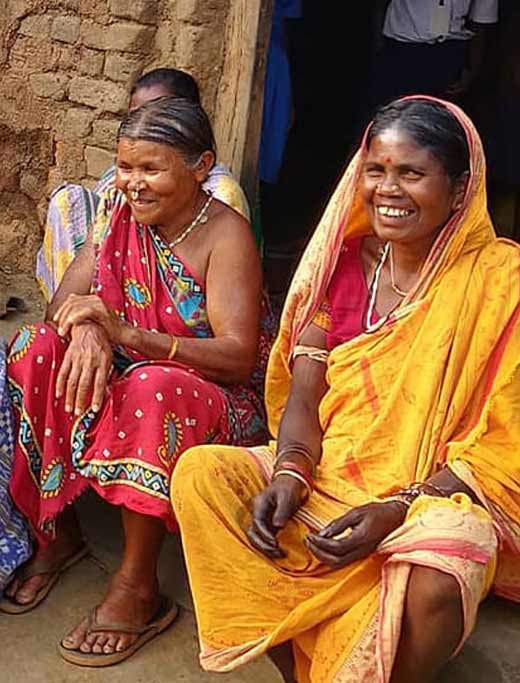
Disrespect and abuse (D&A) in obstetric care are recognised as a widespread and systemic problem. Quantitative, qualitative and intervention research aimed at understanding and addressing it better has pointed to the root causes of D&A within socio-economic inequality or within power hierarchies in health care provision. But there has been relatively little attempt to identify and document the actual mechanisms through which power relations translate into health care practices or behaviours. Such an effort is essential if one is to appreciate why D&A in maternal care are so widespread, and how the problem might be addressed effectively.
The centre has conducted both qualitative and quantitative research in southern India to better understand the phenomena of disrespectful and abusive in obstetric care and family planning services.
- Maternal Clinical Assessment Tool (M-CAT): This was a proof-of-concept study, leveraging digital technology to improve the quality of antepartum and postpartum clinical assessments.
- A cross-sectional community survey was designed to meet two objectives:
- To understand rural women’s perceptions and experience of institutional obstetric care, including the strategies used to negotiate better care, and
- To measure and explain differences in perceptions of institutional obstetric care by social location of the woman, type of institution, and stage of the village’s transition to institutional birth.
- Qualitative research with healthcare providers: The focus of our qualitative research was to explore the causes of obstetric care-linked D&A in healthcare institutions, especially the role of professional training and work cultures. Our questions were: (1) To what extent does routine obstetric practice vary from available protocols and guidelines, and why? (2) Where do these practices come from? Do they lie in insufficient training? Are these practices picked up during internships and residencies?
- A scoping review of organisational conditions and their impact on maternity providers and care in LMICs: Implications for Respectful Maternity Care
Women’s health & well-being over the life-course
We are currently engaged in formative research on women’s health and well-being in collaboration with University of Toronto’s Centre for Global Child Health, UNFPA, Federal University of Pelotas’ International Centre for Equity in Health, and George Washington University’s Milkin School of Public Health. This cutting-edge work combines a life course approach with a gender and intersectionality lens and focuses on conceptual advancement along with metrics and dashboards to track progress on women’s health and well-being.
Our questions are –
- How is well-being to be defined through a gender lens and what would be appropriate metrics to measure it?
- What conceptual frameworks can be applied to understand the dimensions of girls’ and women’s health and well-being over the life-course?
- How do gender and other intersecting relations of power affect the abilities of girls and women to lead the lives they have reason to value?
- How do gender and other intersecting relations of power determine the trajectory of girls’ and women’s health and well-being over the life-course?
- Do early and sustained health insults cumulate and alter the concept of old age, its boundaries, as well as health consequences and needs in later years?

Adolescent health
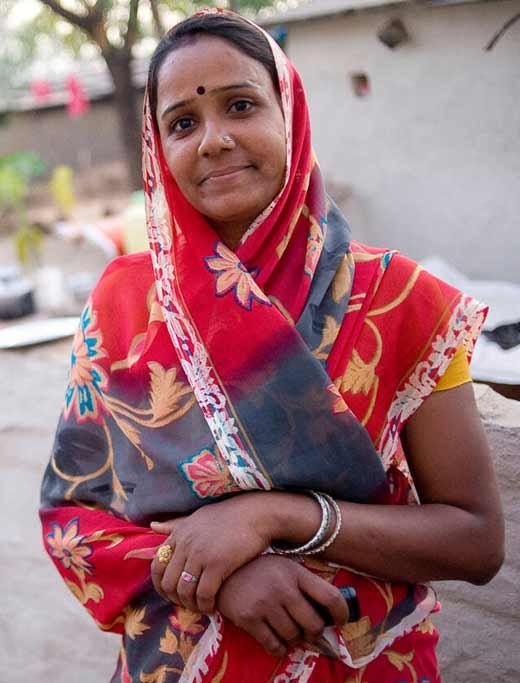
Our questions are
- How does gendered socialization between the ages of 5 and 9 shape attitudes and behaviours in adolescence?
- What are the pathways through which gendered socialization impacts health behaviours and outcomes amongst adolescents?
- What strategies and platforms can most effectively address the risk factors associated with adolescent health outcomes?
- How do social and cultural norms, and policy and program interventions impact adolescent fertility?
Health in urban societies
The Centre is conducting formative research into the growing health challenges in urban India, with a specific focus on the vulnerabilities of particular marginal groups, using an intersectional lens. The definition of the ‘urban’ is in itself complicated, particularly in the Indian context, where it could mean anything from a metro city to a district headquarters town. Each of these urban centres has a governance structure and a health system peculiar to its history and development trajectory. Also, urban poverty and marginality are multidimensional and layered, and often invisible. Despite this complexity, information around urban health is sparse. The Centre aims to bridge this gap through a focused workstream on urban health issues.
Our questions are –
- What are the sources and dimensions of vulnerability and precarity in urban societies?
- How do the stressors linked to urban living especially for vulnerable groups shape their health, well-being and rights?
- How do privatization and commercialization in the health sector determine demand for and access to services?
- How do urban policies, programs and services respond to the health needs of residents across socioeconomic divisions and geographies?

Health systems: gender integration, quality of care etc
- What are the entry points for integrating gender into medical education and public health systems?
- How responsive are public primary care institutions to community health needs?
- To what extent can public health systems be gender transformative?